 Image 1 of 1
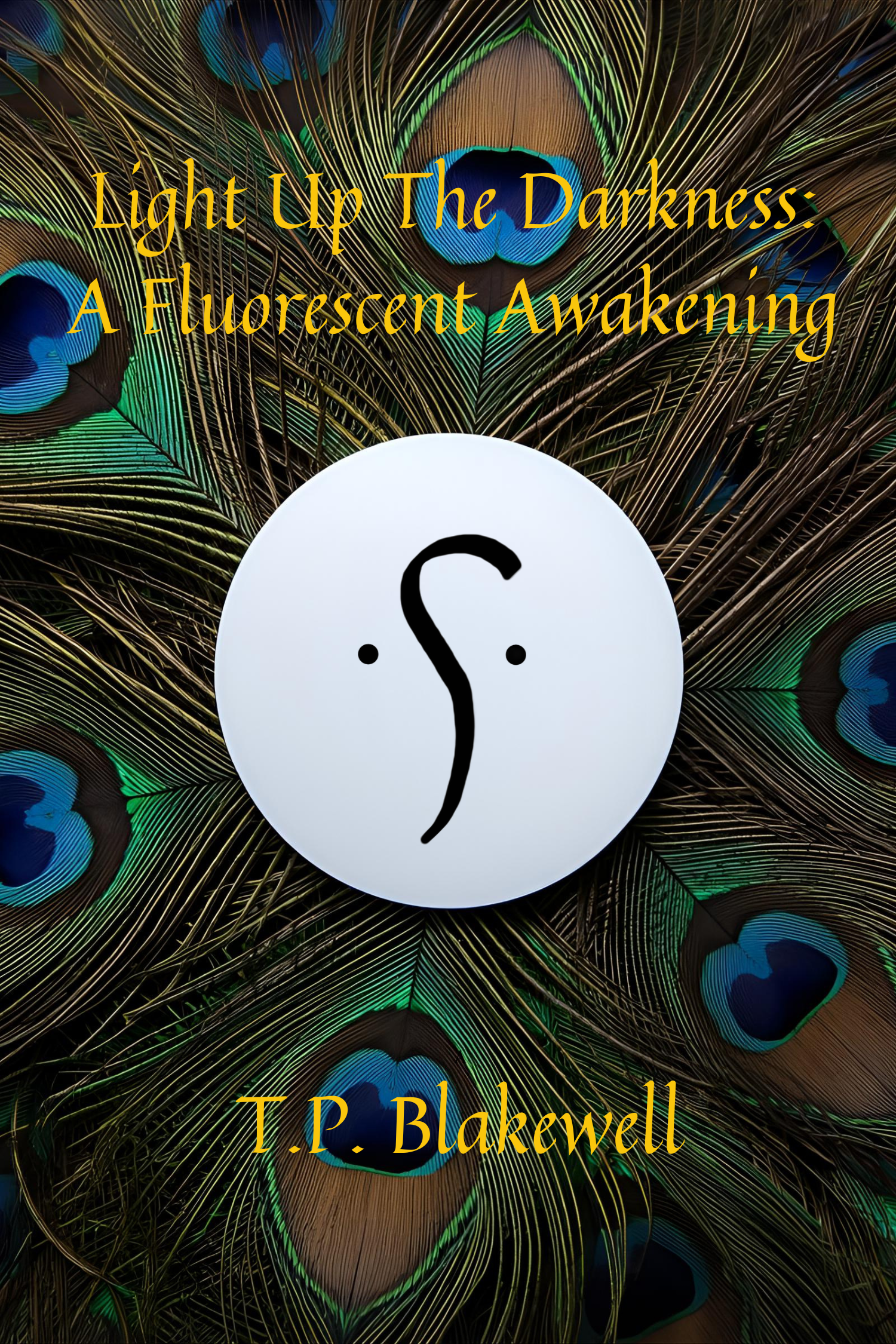
Light Up The Darkness: A Fluorescent Awakening - New Release Nonfiction Ebook
Light Up The Darkness: A Fluorescent Awakening is a spiritually charged, metaphysical manifesto by T.P. Blakewell that blends poetic mysticism, cosmic philosophy, and esoteric teachings into a call for personal and planetary transformation. Positioned as the first installment in a three-part series, the book is both a spiritual memoir and a guidebook for awakening latent human potential. It invites readers to transcend the illusions of modern life and reconnect with their divine, celestial origins.
Central Premise
At its core, the book asserts that humanity is on the cusp of a great awakening—a shift from darkness to light, from ignorance to knowledge, from fear to love. Blakewell posits that each human being is a “being of light,” endowed with extraordinary capabilities encoded in their energy systems, particularly the 114 chakras. These capabilities, long suppressed or forgotten, are the key to personal liberation and collective evolution.
The author claims to have been in contact with multi-dimensional, post-sapient beings of light from another solar system. These beings, described as peaceful, benevolent, and immensely powerful, have guided Blakewell through direct experiential teachings. Their mission: to awaken humanity to its true nature and prepare it for a cosmic conflict between forces of light and darkness.
Structure and Style
The book is structured as a six-day spiritual journey, each “Day” representing a thematic chapter that builds upon the last. Interspersed with sacred blessings, prayers, and evocative poetry, the narrative flows like a meditative chant, oscillating between lyrical prose and declarative revelations. The tone is reverent, urgent, and deeply personal, yet it consistently redirects attention from the author to the universal truths being conveyed.
Key Sections and Themes
1. Sacred Blessing & Prayer
The opening passages set a sacred tone, invoking light, peace, and divine protection. These sections function as spiritual invocations, preparing the reader for the transformative journey ahead. The language is poetic and symbolic, emphasizing the resilience of the human soul.
2. Acknowledgments
Blakewell dedicates the book to a constellation of individuals—loved ones, spiritual guides, and “star children.” These dedications are heartfelt and mythic, blending personal gratitude with cosmic significance. The author speaks directly to those who feel called to a higher purpose, affirming their role in the planetary awakening.
3. Preface: The Cosmic Context
The preface introduces the book’s central thesis: a hidden war between light and darkness, both on Earth and in the cosmos. Blakewell addresses whistleblowers, government insiders, and spiritual seekers alike, urging them to awaken and act. The narrative weaves together themes of secrecy, extraterrestrial contact, and spiritual warfare.
4. Extraordinary Capabilities
A significant portion of the text is devoted to cataloging the “extraordinary capabilities” inherent in all humans—powers that mirror the yogic siddhis described in ancient Sanskrit texts. These include:
- Telepathy, clairvoyance, and astral travel
- Shapeshifting and teleportation
- Healing, invisibility, and divine communication
- Mastery over natural forces and time
Blakewell emphasizes that these abilities are not fantasy but latent potentials that can be cultivated through spiritual practice and energetic alignment.
5. The Role of the Amygdala and Chakras
The book bridges metaphysical concepts with modern neuroscience, particularly focusing on the amygdala and its role in “Parakayapravesanam”—the ability to enter another’s body. Blakewell suggests that this ancient yogic power is facilitated through the crown chakra and the amygdala, which acts as a gateway for higher-dimensional beings.
6. The Cosmic Family and Celestial Origins
These beings are portrayed as family members from another world, emphasizing the idea that many humans are “star seeds” who have forgotten their origins. The book encourages readers to remember their celestial lineage and embrace their divine mission.
7. The War Between Light and Darkness
A recurring theme is the existence of dark forces—both terrestrial and extraterrestrial—that seek to suppress human awakening. Blakewell warns of psychological, spiritual, and energetic forms of hostility, asserting that the true battle is not just physical but vibrational. The “war” is over energy algorithms, unique DNA codes, and the soul’s sovereignty.
8. Awakening as a Collective Imperative
The author calls for a collective awakening, emphasizing that personal transformation is inseparable from global change. The world, Blakewell argues, is a projection of our collective psyche. Healing the world begins with healing ourselves. The book encourages readers to embrace their inner light, cultivate their energy, and become “mighty warriors” of peace and truth.
9. The Role of Festivals and Symbols
Blakewell ties the book’s message to the Hindu festival of Diwali (Deepavali), the celebration of light over darkness. The book itself is presented as a sacred object—a symbol to be displayed and shared, especially during times of spiritual significance. This ritualistic framing reinforces the book’s role as both scripture and catalyst
Literary and Philosophical Influences
The text draws heavily from:
- Ancient Sanskrit texts: Especially the Yoga Sutras and Upanishads, referencing yogic siddhis and spiritual practices.
- Mystical poetry: The poems evoke the style of Rumi, Tagore, and other mystics, blending nature imagery with spiritual longing.
- Modern spiritual thought: Echoes of Marianne Williamson, Eckhart Tolle, and Ram Dass are present in the emphasis on inner transformation and collective awakening.
- Conspiracy and disclosure literature: The book aligns with themes found in whistleblower testimonies, UFO disclosure movements, and metaphysical interpretations of government secrecy.
Key Messages
- You are more than you think: Every human being is a multidimensional being of light with untapped potential.
- Awakening is urgent: The world is in crisis, and only a shift in consciousness can bring healing.
- Extraordinary capabilities are real: These are not fantasies but dormant abilities awaiting activation.
- There is a cosmic war: Forces of light and darkness are vying for control, and awareness is the first step to resistance.
- Love is the ultimate power: Despite the darkness, the path forward is one of love, peace, and spiritual integrity.
Who Is This Book For?
- Spiritual seekers and mystics
- Readers interested in metaphysics, energy healing, and yogic philosophy
- UFO and disclosure enthusiasts
- Those feeling a deep inner calling or spiritual awakening
- Individuals exploring the intersection of science, spirituality, and consciousness
Light Up The Darkness: A Fluorescent Awakening is a spiritually charged, metaphysical manifesto by T.P. Blakewell that blends poetic mysticism, cosmic philosophy, and esoteric teachings into a call for personal and planetary transformation. Positioned as the first installment in a three-part series, the book is both a spiritual memoir and a guidebook for awakening latent human potential. It invites readers to transcend the illusions of modern life and reconnect with their divine, celestial origins.
Central Premise
At its core, the book asserts that humanity is on the cusp of a great awakening—a shift from darkness to light, from ignorance to knowledge, from fear to love. Blakewell posits that each human being is a “being of light,” endowed with extraordinary capabilities encoded in their energy systems, particularly the 114 chakras. These capabilities, long suppressed or forgotten, are the key to personal liberation and collective evolution.
The author claims to have been in contact with multi-dimensional, post-sapient beings of light from another solar system. These beings, described as peaceful, benevolent, and immensely powerful, have guided Blakewell through direct experiential teachings. Their mission: to awaken humanity to its true nature and prepare it for a cosmic conflict between forces of light and darkness.
Structure and Style
The book is structured as a six-day spiritual journey, each “Day” representing a thematic chapter that builds upon the last. Interspersed with sacred blessings, prayers, and evocative poetry, the narrative flows like a meditative chant, oscillating between lyrical prose and declarative revelations. The tone is reverent, urgent, and deeply personal, yet it consistently redirects attention from the author to the universal truths being conveyed.
Key Sections and Themes
1. Sacred Blessing & Prayer
The opening passages set a sacred tone, invoking light, peace, and divine protection. These sections function as spiritual invocations, preparing the reader for the transformative journey ahead. The language is poetic and symbolic, emphasizing the resilience of the human soul.
2. Acknowledgments
Blakewell dedicates the book to a constellation of individuals—loved ones, spiritual guides, and “star children.” These dedications are heartfelt and mythic, blending personal gratitude with cosmic significance. The author speaks directly to those who feel called to a higher purpose, affirming their role in the planetary awakening.
3. Preface: The Cosmic Context
The preface introduces the book’s central thesis: a hidden war between light and darkness, both on Earth and in the cosmos. Blakewell addresses whistleblowers, government insiders, and spiritual seekers alike, urging them to awaken and act. The narrative weaves together themes of secrecy, extraterrestrial contact, and spiritual warfare.
4. Extraordinary Capabilities
A significant portion of the text is devoted to cataloging the “extraordinary capabilities” inherent in all humans—powers that mirror the yogic siddhis described in ancient Sanskrit texts. These include:
- Telepathy, clairvoyance, and astral travel
- Shapeshifting and teleportation
- Healing, invisibility, and divine communication
- Mastery over natural forces and time
Blakewell emphasizes that these abilities are not fantasy but latent potentials that can be cultivated through spiritual practice and energetic alignment.
5. The Role of the Amygdala and Chakras
The book bridges metaphysical concepts with modern neuroscience, particularly focusing on the amygdala and its role in “Parakayapravesanam”—the ability to enter another’s body. Blakewell suggests that this ancient yogic power is facilitated through the crown chakra and the amygdala, which acts as a gateway for higher-dimensional beings.
6. The Cosmic Family and Celestial Origins
These beings are portrayed as family members from another world, emphasizing the idea that many humans are “star seeds” who have forgotten their origins. The book encourages readers to remember their celestial lineage and embrace their divine mission.
7. The War Between Light and Darkness
A recurring theme is the existence of dark forces—both terrestrial and extraterrestrial—that seek to suppress human awakening. Blakewell warns of psychological, spiritual, and energetic forms of hostility, asserting that the true battle is not just physical but vibrational. The “war” is over energy algorithms, unique DNA codes, and the soul’s sovereignty.
8. Awakening as a Collective Imperative
The author calls for a collective awakening, emphasizing that personal transformation is inseparable from global change. The world, Blakewell argues, is a projection of our collective psyche. Healing the world begins with healing ourselves. The book encourages readers to embrace their inner light, cultivate their energy, and become “mighty warriors” of peace and truth.
9. The Role of Festivals and Symbols
Blakewell ties the book’s message to the Hindu festival of Diwali (Deepavali), the celebration of light over darkness. The book itself is presented as a sacred object—a symbol to be displayed and shared, especially during times of spiritual significance. This ritualistic framing reinforces the book’s role as both scripture and catalyst
Literary and Philosophical Influences
The text draws heavily from:
- Ancient Sanskrit texts: Especially the Yoga Sutras and Upanishads, referencing yogic siddhis and spiritual practices.
- Mystical poetry: The poems evoke the style of Rumi, Tagore, and other mystics, blending nature imagery with spiritual longing.
- Modern spiritual thought: Echoes of Marianne Williamson, Eckhart Tolle, and Ram Dass are present in the emphasis on inner transformation and collective awakening.
- Conspiracy and disclosure literature: The book aligns with themes found in whistleblower testimonies, UFO disclosure movements, and metaphysical interpretations of government secrecy.
Key Messages
- You are more than you think: Every human being is a multidimensional being of light with untapped potential.
- Awakening is urgent: The world is in crisis, and only a shift in consciousness can bring healing.
- Extraordinary capabilities are real: These are not fantasies but dormant abilities awaiting activation.
- There is a cosmic war: Forces of light and darkness are vying for control, and awareness is the first step to resistance.
- Love is the ultimate power: Despite the darkness, the path forward is one of love, peace, and spiritual integrity.
Who Is This Book For?
- Spiritual seekers and mystics
- Readers interested in metaphysics, energy healing, and yogic philosophy
- UFO and disclosure enthusiasts
- Those feeling a deep inner calling or spiritual awakening
- Individuals exploring the intersection of science, spirituality, and consciousness
Blakewell ties the book’s message to the Hindu festival of Diwali (Deepavali), the celebration of light over darkness. The book itself is presented as a sacred object—a symbol to be displayed and shared, especially during times of spiritual significance. This ritualistic framing reinforces the book’s role as both scripture and catalyst.